
24/7 Emergency Line Open
Water line repair and replacement
Water Line Repair and Replacement from the Street to Your House
The water line is the pipe that carries water from the utility main to your house, and everything inside depends on it. When it leaks, narrows or fails, the signs are a soggy yard, a meter that keeps moving, a bill that jumps or pressure that falls for no clear reason.
The plumber locates the trouble, tells you whether a section can be repaired or the line should be replaced, and explains what the work involves before anything is dug up.
- Licensed and insured plumbers
- Same-day service when available
- 24/7 emergency dispatch
Signs the water line is failing
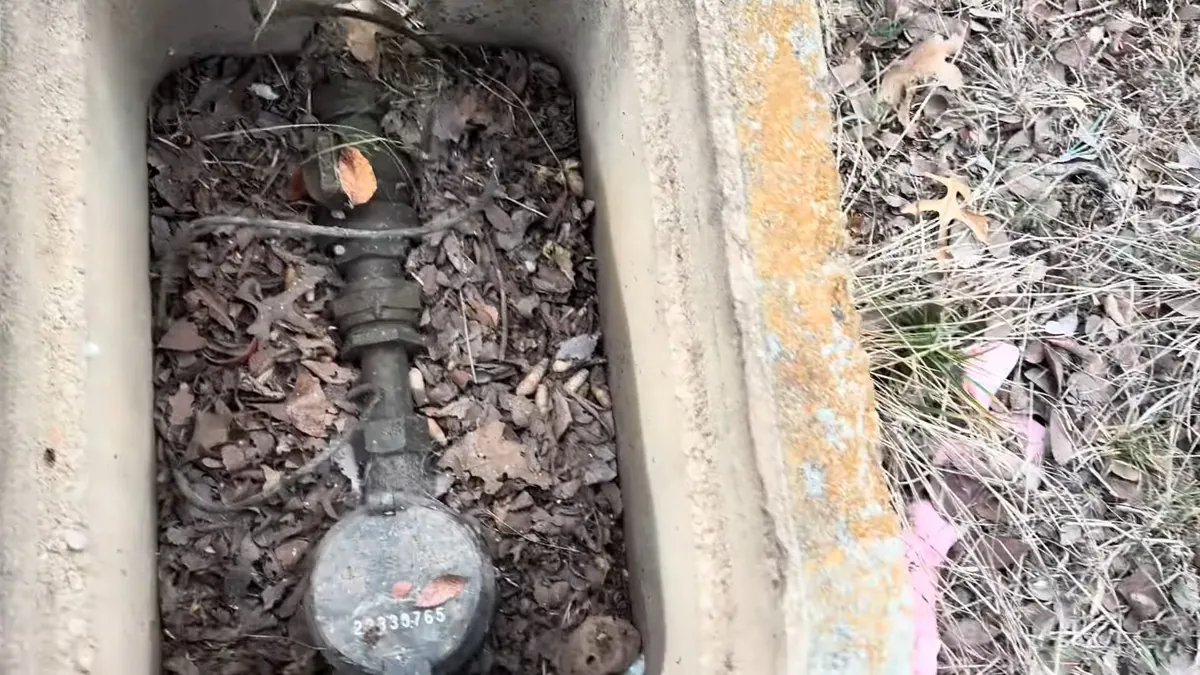
A buried line rarely announces itself. The clues are indirect: a patch of lawn that stays wet in dry weather, a damp spot near the foundation wall where the line enters, water pressure that has dropped at every tap, or a meter that keeps turning when every fixture is off. Mud or discolored water after a repair on the street can also point to a line that has aged.
- Turn off every faucet and appliance, then look at the meter. If the dial or the leak indicator keeps moving, water is escaping somewhere.
- Walk the line route outside, from the meter pit or curb toward the house, and look for soft ground or pooled water.
- Check inside where the line enters the building for dampness, rust on the shutoff or moisture on the floor.
- Note the pressure at an outdoor spigot and an upstairs tub, since a low reading at both points to the line, not a single fixture.
Photograph what you see and note the reading on the meter before you call. A leak that has been running for weeks is better documented for the plumber and for the utility, and the leak location methods page explains how a hidden leak is traced.
Water line repair: fixing a section without replacing it
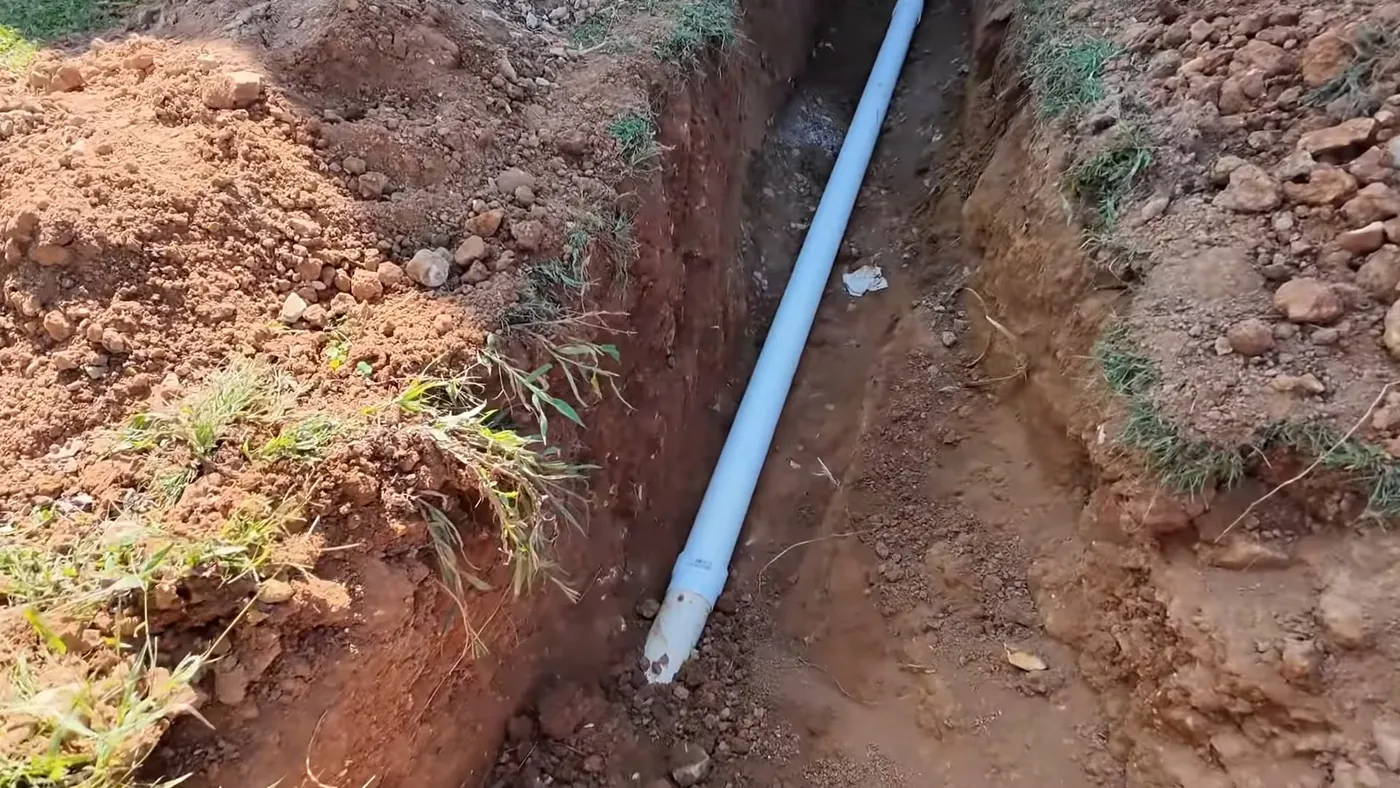
When one section has failed in an otherwise sound line, a repair is the sensible choice. The plumber locates the leak, excavates a small trench to expose the pipe, removes the damaged length and splices in fresh pipe using a proper coupling. The excavation is kept as narrow as the work allows, and the trench is backfilled and compacted so the lawn or walkway settles evenly.
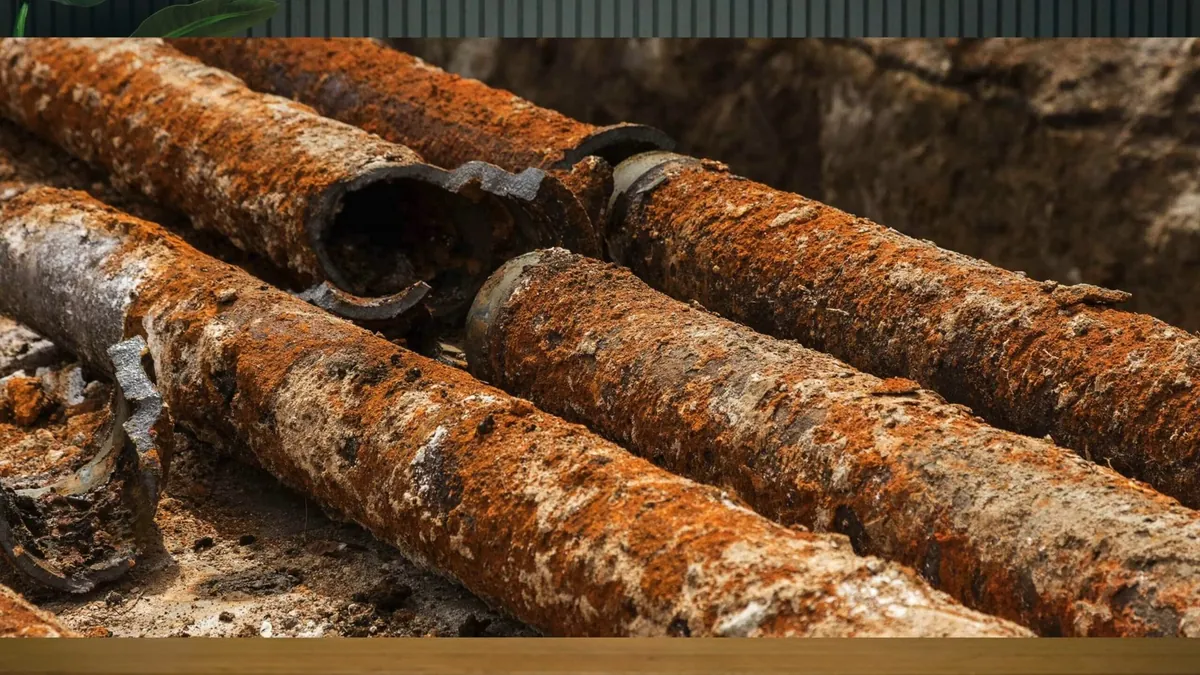
A repair makes sense where the pipe on either side of the break is in good shape and the failure came from damage, a bad joint or a corroded fitting. If the exposed pipe is thin, scaled or soft, patching it moves the leak a few feet and the next failure follows soon. The plumber should show you the pipe before closing the trench so the condition is not a guess.
Meter running and a wet yard?
Call dispatch with what the meter is doing and where the ground is wet. The plumber can confirm whether the line is leaking and advise on shutting it off.
Service line replacement: when a new line is the better choice
Replacement is the right move when the line has several leaks, is made of a material at the end of its life, or has lost so much interior diameter that pressure is poor even without a leak. A new line is run from the connection near the meter to the house, using trenching or, where the yard allows, a trenchless method that digs only at both ends.
Older homes may have lead, galvanized steel or early copper service pipe. Aqua Pennsylvania supplies water in the township, so ask the utility what it has on record for your address and what it expects of the owner at the connection point. The plumber can check the pipe at the house end and report its material in plain terms.
Utility and owner responsibilities
Aqua Pennsylvania is the water utility named for Cheltenham Township in a Public Utility Commission filing. Where its responsibility ends and the owner's begins depends on the property, so confirm the boundary with Aqua before assuming who repairs what.
Source: state utility commission filing naming Aqua, read November 2026.
Pressure problems, regulators and shutoff valves
A line can be intact and still cause trouble if the pressure is wrong. Pressure that is too high stresses fixtures and appliance hoses and shows up as banging pipes or a relief valve that weeps. A pressure-reducing valve at the main brings it down to a safe range, and many codes call for one when static pressure goes above about 80 psi. Pressure that is too low can come from a partly closed shutoff, a clogged strainer or a narrowed line.
| Symptom | Likely cause | Check |
|---|---|---|
| Pressure low at every tap | Narrowed line, closed main valve, failing regulator | Gauge at an outdoor spigot |
| Pressure high, pipes bang | Regulator failed or missing | Gauge reading above about 80 psi |
| Valve at the main will not close or drips | Corroded gate valve | Replace with a ball valve |
| Meter moves with everything off | Leak in line or fixture | Isolate by closing the main |
The main shutoff deserves attention before an emergency. A gate valve that has not been turned in years can seize or leak when you finally need it, and replacing it with a quarter-turn ball valve takes little time.
Low pressure or a high bill with no explanation?
Describe it to dispatch. A line that is losing water often shows up on the meter before it shows in the yard.
Testing the line and what the visit includes
Before any digging the plumber confirms the leak is on the line and not in a fixture, usually by isolating sections and watching the gauge. A pressure test after the repair or replacement proves the new work is tight before the trench is closed. Most jobs include re-establishing the connection at the meter or the house, restoring pressure and flushing the line so sediment does not clog faucet screens.
Expect to be asked about gas, electric and other buried lines in the yard. Calling the state one-call system before any excavation is a standard step, and the plumber will tell you if that has to be arranged. Ask how the yard will be left, whether a section of driveway or walkway is affected and when the water will be off.
Safety: a water line that is leaking near a gas line, a power cable or a deep trench is a hazard. Keep people back from the wet or sunken area and do not dig it out yourself.
Water line questions answered
Why does my water main valve keep leaking after it was repaired?
Picture an old gate valve with a packing nut that has been tightened many times. The seat is worn, so each repair buys only a short fix. The valve body may also be corroded where it meets the pipe. Replacing the valve with a quarter-turn ball valve usually ends the problem, and it gives you a main shutoff you can trust in an emergency.
How do I tell whether an underground water leak is on my side or the utility side?
Compare two options. First, shut off the valve at the house and watch the meter. If it stops, the leak is inside the house or on the house-side line. If it keeps running with the house valve closed, the leak is between the meter and the valve, which is usually the owner's pipe, or on the street side, which is the utility's. Call the utility with your meter reading before digging.
Can a water service line with lead pipe be replaced?
Yes. A plumber can replace the line from the connection to the house with modern pipe. The reason it matters is that lead can leach into drinking water, and the utility keeps records of service line materials. Ask Aqua what is on file for your address, then have the plumber check the visible pipe at the house end. Run the cold tap for a minute before drinking if the water has sat overnight.
How long does a water line repair take, and what happens to my yard?
Do now: close the main valve and note the meter. Can wait: restoring the surface. A repair usually takes a few hours once the line is exposed, and a full replacement takes a day or two depending on length. The trench is backfilled in layers and left level, and grass or hardscape repair is normally a separate step after the ground settles.
Water on the property side that should be in the pipe
Call dispatch with the meter reading, where the ground is wet and how the pressure feels. The plumber will trace the line before suggesting a repair.
- Licensed and insured plumbers
- Same-day service when available
- 24/7 emergency dispatch