
24/7 Emergency Line Open
Commercial plumbing
Plumbing for Cheltenham Shops, Restaurants and Multifamily Buildings
A plumbing failure in a business costs more than the repair. A restaurant with a backed-up floor drain cannot serve, a shop with a leaking ceiling closes, and an apartment building with no hot water gets calls from every unit.
The plumber handles the problems businesses face most: leaks, drain stoppages, water heaters, grease traps and repairs to building piping, with attention to keeping the doors open.
- Licensed and insured plumbers
- Same-day service when available
- 24/7 emergency dispatch
Where commercial plumbing demand comes from in Cheltenham
Cheltenham Township is mostly residential, but it has real commercial corridors. A regional planning study of downtown Glenside, part of the township, found retail making up about 75 percent of its uses, one of the highest shares among the downtowns it surveyed, with office space making up most of the rest. Cheltenham Avenue passes the Cedarbrook Shopping Center, and the township's code names business improvement districts and commercial zoning with restaurant, retail and personal care uses.
A local commercial snapshot
The Delaware Valley Regional Planning Commission study Diverse Downtowns reports Glenside at about 75 percent retail uses, with vacancy near 6 percent, using data through October 2020. The township code lists restaurants, retail take-out and personal care among the uses allowed in its commercial districts.
Source: DVRPC, Diverse Downtowns and township commercial zoning text, read November 2026.
Shops, small offices, salons, restaurants and apartment buildings are the buildings plumbers actually service here. Many were built long before modern codes, which means older drain lines, cast iron stacks and supply piping with decades of wear.
Restaurants, commercial kitchens and grease traps
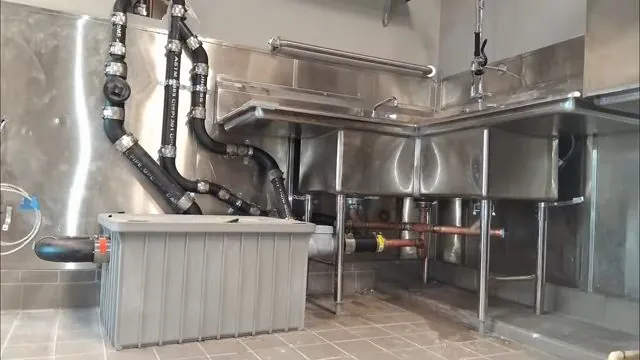
Restaurants put heavy demands on plumbing: grease in drain lines, floor drains that handle washdown water, three-compartment sinks, dishwashers and large water heaters running all day. A grease trap or interceptor catches fats before they reach the building drain, and it has to be emptied and cleaned on a regular schedule. A trap that is neglected overflows or passes grease into the line, where it hardens and blocks the drain.
- Know where the trap is and keep access to it clear.
- Keep a written log of cleanings and who performed them.
- Scrape plates and pans into the trash, not the sink.
- Call at the first sign of slow floor drains or a sour smell, because grease blockages build quietly until they stop service.
The plumber clears grease-laden lines with cabling and jetting and checks the line with a camera when blockages recur. The pump-out of the trap itself is scheduled separately.
Safety: if a kitchen drain is backing up onto the floor, stop using the sinks and dishwasher, keep staff off wet floors and close the area. Wet kitchen floors and live equipment are a slip and shock risk.
Maintenance contracts and planned service
A maintenance schedule costs less than an emergency. Business owners can set up regular visits for drain cleaning, water heater flushing, backflow or valve checks and an inspection of exposed piping. The point is to find a weak joint, a failing valve or a slow drain before it turns into a closure.
| Service | Typical interval | Why it matters |
|---|---|---|
| Floor drain and main line cleaning | Quarterly for food service, less often for offices | Prevents backups during business hours |
| Grease trap cleaning | Set by use and trap size | Keeps grease out of the line |
| Water heater flush and check | Yearly | Controls scale and catches leaks early |
| Visual pipe and valve inspection | Yearly | Finds corrosion and weeping joints |
Ask for a written scope with what each visit covers, how emergencies are handled between visits and how records are kept. Property managers with several tenants benefit from one point of contact for all of it.
Business plumbing down and customers waiting?
Call dispatch and say what the business is, where the problem is and whether water is still running. A plumber can advise on shutting off and on how soon someone can arrive when available.
Leaks, burst pipes and emergency calls for businesses
A leak in a commercial building can travel a long way before it shows, through ceilings, wall cavities and floors to the units below. The first step is shutting off the water at the nearest valve or the main, then moving stock and equipment out of the wet area and calling for help. The plumber finds the source, makes the repair and, where several floors are involved, helps document the loss.
Emergency work covers burst pipes, sewage backups, failed water heaters and gas smells. Repairs to buried or under-slab piping use the same methods described on the under-slab leak page for homes, scaled to the building. Pipe replacement in an older building is planned around opening hours when possible.
Water heaters, drains and fixtures in commercial buildings
Commercial water heaters range from tanks like a house to large tank banks or high-capacity units serving a restaurant or apartment block. The plumber repairs elements, burners, relief valves and recirculation pumps, and replaces units that have failed. Drains are cleared with cabling, jetting and camera inspection, and fixtures from toilets to mop sinks are repaired or replaced.
Small commercial buildings follow the residential pattern, so the tank heater repair and drain cleaning pages describe the same methods. Commercial kitchens and cafes also run reverse osmosis and ice machine filtration, which follow the same cartridge and membrane routines as a home system and need a plumber for the supply and drain connections. A restaurant or salon running a tank all day will see scale and sediment sooner than a house, so service intervals are shorter, and a recirculation loop adds a pump and check valves that need attention too. Large multifamily, light industrial and cold-storage buildings add scale, access and scheduling concerns, which the plumber plans with the property manager.
A building with several tenants?
Call dispatch with the property manager's contact and the number of units affected.
Licensing, permits and responsibility in the township
The township plumbing code, in Chapter 209, reaches every building in the township, and its licensing sections set out categories for caring for the plumbing in manufacturing, mercantile and apartment buildings. Ask who is pulling any required permit, and whether work on a tenant space needs the owner's approval first. Landlords often require proof of insurance from anyone who works in the building, so have that ready.
For a tenant, the lease usually says who pays for what, so check it before calling about a failure in a building system. For a landlord, a written work order and a final report protect everyone. Before work starts, a plumber serving your area can explain what the township expects for your building (Cheltenham Plumbing Code licensing sections, read November 2026).
Commercial plumbing questions answered
Is a plumbing maintenance contract worth it for a small business?
Do now: write down what your building has, such as a water heater, grease trap, floor drains and backflow devices. Can wait: choosing the plan. A schedule of cleaning and inspection costs less than a closure, and it gives you records. Choose a scope that matches what your building has, not a bundle you do not need.
How often should a restaurant grease trap be cleaned?
It depends on trap size and how much grease the kitchen produces, so there is no single number. A busy kitchen may need service every few weeks, while a small cafe may go longer. Watch for slow drains and odors, keep a cleaning log, and ask whoever services the trap to set an interval from what they find.
What should a business do first when a pipe bursts?
Close the nearest shutoff or the main, switch off power to the wet area if it is safe, move stock and equipment out of the water and call for a plumber. Photograph the damage before cleanup. Call your landlord or property manager too, since the building owner may need to be told.
Does the plumber work in apartments and multifamily buildings?
Multifamily buildings are part of the work. Common calls are no hot water for several units, a backed-up stack, a leak that travels between floors and shutoff valve repairs. Tell the dispatcher it is a multifamily building and how many units are affected. Access and scheduling with the property manager are part of planning the visit.
Keep the business open and the water where it belongs
Call dispatch with the type of business, the problem and whether water is running. The plumber will respond to the building and plan the repair.
- Licensed and insured plumbers
- Same-day service when available
- 24/7 emergency dispatch