
24/7 Emergency Line Open
Leak service in Cheltenham Township
Emergency Leak Detection and Repair for Cheltenham Homes
A ceiling stain that keeps growing, a water bill that jumped without a reason, or the soft sound of running water at midnight all say the same thing: water is escaping somewhere you cannot see.
Dispatch sends a plumber who finds the leak first and repairs it second, so walls and floors are opened only where the evidence points.
- Licensed and insured plumbers
- Same-day service when available
- 24/7 emergency dispatch
Is it a hidden leak or just a dripping fixture?
Start with the fixtures, because they are the easiest place to look first. A toilet that refills on its own or a faucet that weeps overnight can raise a bill as fast as a pipe can. Other common signs of a leak include a musty smell, warped baseboards, a damp cabinet floor and a meter that moves when nothing is running.
If every fixture checks out, treat the house as a closed system and test it. The steps below take about fifteen minutes and tell the plumber a great deal before arrival.
- Turn off every tap, the dishwasher and the washing machine, and make sure no one flushes.
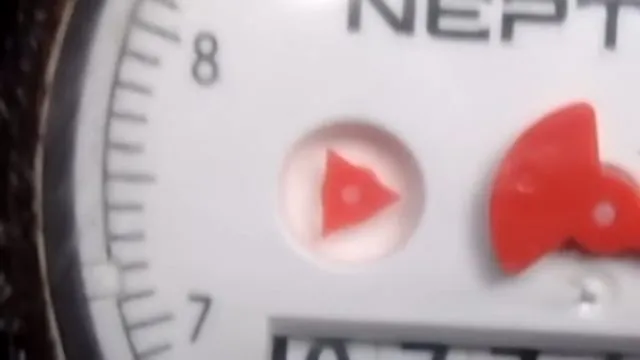
- Find the water meter and look at the small dial or triangle that spins with even a slow flow.
- If it moves, water is leaving the house or a fixture is leaking. Write down the reading, wait twenty minutes, and read it again.
- Close the main shutoff. If the dial stops, the leak is inside the house. If it keeps moving, the leak sits between the meter and the house.
That last result changes who you call. Your water utility's service rules decide where its responsibility ends, so a leak near the street may be the utility's to fix. A leak between the meter and the house, including a buried one, is a job for a plumber, and the page on water service line page covers it.
Leak detection service: how the source gets found
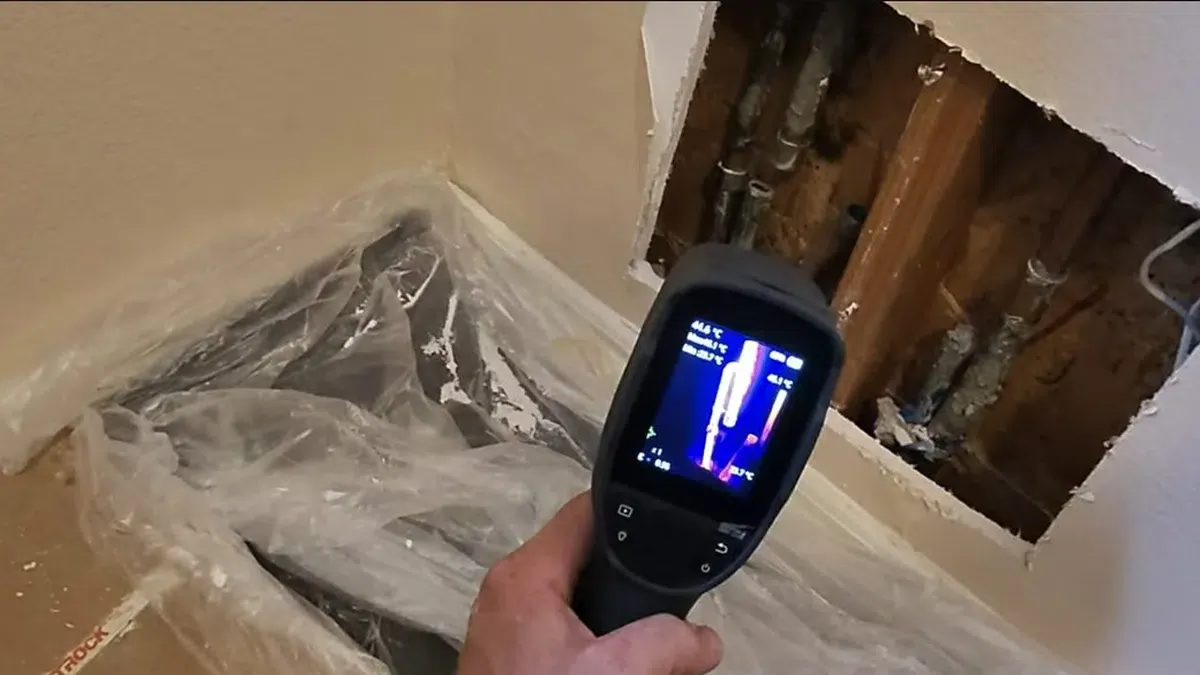
Detection is a sequence, not a guess. The plumber confirms the leak is real, narrows the zone, and only then marks the spot. Pressure testing isolates which line is losing water, and acoustic and thermal tools locate the exact point behind plaster, tile or a ceiling.
You should expect the plumber to explain which method fits your house before using it. Ask what the tool can and cannot see, how large an opening the repair is likely to need, and whether a written report comes with the visit.
| What you notice | Likely source | What the plumber checks |
|---|---|---|
| Brown stain on a ceiling below a bathroom | Supply or drain line, shower pan or tub seal above | Moisture reading around the stain, then a pressure test of the line above |
| Damp patch low on an exterior wall | Supply line, hose bib line or outside moisture | Meter test first, then a thermal scan along the wall |
| Warm or musty smell with no visible water | Slow leak behind finished walls | Acoustic listening along the pipe run and a hydrostatic test |
| Meter keeps moving with everything off | Any line on your side of the meter | Isolating each branch with shutoffs until the movement stops |
Leak somewhere you cannot reach?
Tell dispatch what you see and get a plumber heading for the source before the damp spreads to the next room.
Wall, ceiling and basement leaks in older homes
Census-based estimates for the Cheltenham community show about a quarter of homes built in 1939 or earlier and roughly two-thirds from 1940 through 1969. Piping that has served that long can leak at joints, at threaded fittings and at spots where it was patched years ago.
A leaky ceiling causing water stains is the classic example: ceiling leaks usually travel, so the stain is rarely under the break. Wall leaks often show first as peeling paint or a bubble near the baseboard. Basement and crawlspace leaks tend to appear as a wet floor under a visible pipe, though that same wet floor can also be groundwater, which is a different problem. Humidity hides leaks as well: a damp, closed-up basement can leave a pipe wet from condensation, so dry the pipe and watch whether moisture returns before deciding it is a leak.
Not every wet basement is a plumbing leak
Cheltenham has a long, documented history of flooding along Tookany Creek, and heavy storms have pushed water into basements in parts of the township. A pipe leak keeps flowing in dry weather. Water that appears only after rain points outside the plumbing.
Source: WHYY, Cheltenham flooding along Tookany Creek; housing mix: Location, Inc. from American Community Survey data
Leak repair: fix the section or replace the run
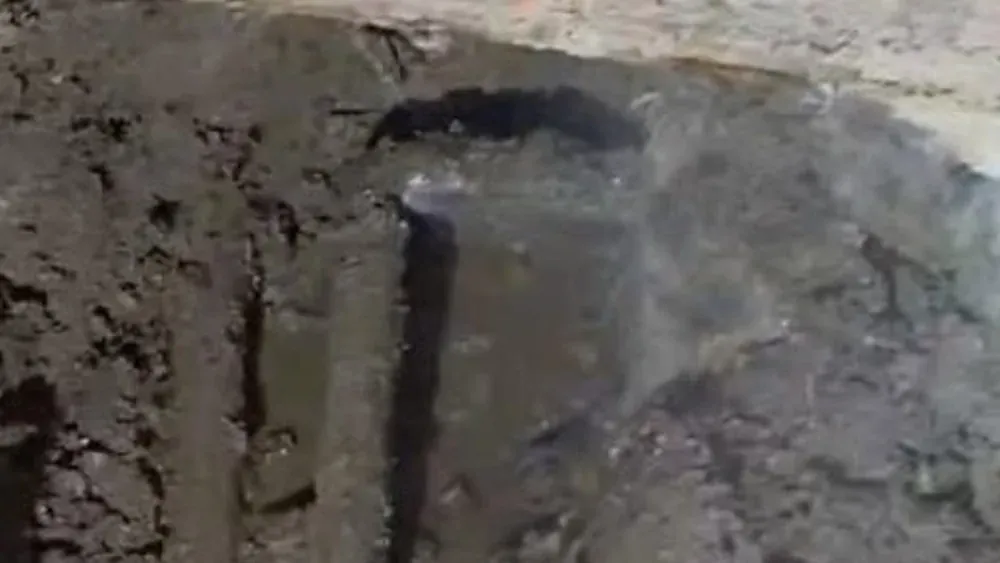
Once the leak is located, the repair choice depends on how the rest of that pipe looks. A single failed joint on sound pipe is a small repair. A pinhole in pipe that is thinning along its whole length will keep returning, and the plumber should show you why.
Ask for the repair in two parts: what stops this leak, and what the nearby pipe looks like. If a second leak has already appeared on the same line, the honest comparison is spot repair against replacing that run of pipe. A leak under a concrete floor is a different job, covered on the page about slab leak location.
Water damage from ignoring a slow leak: a small leak can soak insulation and framing for weeks before a stain appears. Once the source is stopped, the cleanup and drying steps decide whether mold gets a foothold.
Found a leak and want it stopped today?
The plumber confirms where the water is escaping, explains the repair that fits and begins only with your approval.
Toilet, faucet and shower leaks
A running toilet, a dripping tub spout or a shower that sprays behind the wall is still a leak, and often the easiest to fix. Worn flappers, cartridges and supply connectors account for many of these calls, and repairing them takes a fraction of the time that tracing a buried line does.
Those repairs live on the page about toilet and faucet repair. If a fixture is dry but the room below it is wet, the problem is the supply or drain line serving it, and that stays here.
Check the cabinet under a sink and the floor around a toilet base with a dry paper towel, because a slow seep rarely drips visibly. A toilet that refills on its own every few minutes can waste a surprising amount of water, and a few drops of food coloring in the tank will show whether the flapper is leaking into the bowl. Note what you find before the visit so the plumber can bring the right parts.
A pipe condition check before it fails again
Plumbing maintenance and inspections of this kind are quiet work. A pipe condition check looks at what is in the walls and how it is aging, not only at one wet spot. It suits a repeat leak, a house you have just bought, or a renovation that will close up walls you cannot easily reopen.
The plumber identifies pipe materials where they are visible, tests static pressure, looks for corrosion at fittings and reports what is sound and what is near the end of its life. You leave with a plain list of what to watch and what to replace, rather than a single repair order. Ask for the findings in writing if you plan to sell the house or renovate, since a documented pipe history answers a buyer's or contractor's first question. A camera can also look inside the drain lines on the same visit when a stain or odor suggests the leak is on the waste side, and that footage is useful before any repair is priced.
What Cheltenham's plumbing code says about leak repairs
Chapter 209 of the township plumbing code treats ordinary repairs inside a building differently from larger pipe work. Stopping a leak in a drain, water, soil, waste or vent pipe is listed among the work that does not count as plumbing and drainage work, as long as it is done on pipes inside a structure and no pipes are replaced or rearranged.
Once pipe is replaced or relocated, or work moves outside the building, the code treats it as plumbing and drainage work and the rules for registered plumbers apply. Ask the plumber which side of that line your repair falls on, and whether a permit is part of the quote.
Code reading: the Plumbing Standards chapter on ecode360, November 2026. Irrigation and sprinkler leaks are a separate trade and are not handled here.
Leak questions Cheltenham homeowners ask
How do I tell whether water in my basement is a pipe leak or groundwater?
Look at the timing. Cheltenham has a long history of flooding along Tookany Creek, so water that shows up only after heavy rain usually comes from outside. To test the plumbing, close the main shutoff for an hour and watch whether the floor keeps getting wetter. If it does, a pipe is the source and the plumber should see it. If it dries, the water came from the ground or a roof drain.
Can a leaking pipe be fixed without opening the ceiling or wall?
Sometimes. First the water is shut off and the area dried so the plumber can see where it travels. Second, the leak is located with meter, acoustic or thermal checks. Third, the smallest opening that reaches the pipe is cut, often a patch the size of a dinner plate. A leak behind tile or inside a tight chase may need more access, and the plumber should say so before cutting.
How long does it take to find a leak behind a wall?
It depends on the pipe, not the clock. Take a house where the bill doubled and the meter spins with every fixture off. The plumber closes branches one at a time until the movement stops, then listens along that run. Where the pipe is reachable that can finish within the visit. A long run under finished floors takes longer, and the plumber will tell you what remains.
Who is responsible when a leak diagnostic visit finds nothing?
Ask dispatch to confirm in writing what the diagnostic visit includes before the plumber starts, and keep the written findings afterward. A visit can honestly find nothing when a leak is intermittent. Work through the meter test above first, and share its result with the plumber, because it narrows the search and shows whether the leak is on your side of the meter at all.
Hidden water is costing you every hour it runs
Call dispatch, describe the stain, the meter reading or the sound, and a plumber is lined up for your address, subject to availability.
- Licensed and insured plumbers
- Same-day service when available
- 24/7 emergency dispatch