
24/7 Emergency Line Open
Water heater installation and replacement
Replacing or Installing a Water Heater in Cheltenham
A heater that has failed leaves you choosing quickly, and a heater that is still working but aging lets you choose carefully. Either way the decisions are the same: which fuel, what size, what has to be updated around it, and who handles the permit.
The plumber removes the old unit, sets the new one, reconnects the water, gas or power, and checks the safety devices before leaving. This page covers what that involves so the visit holds no surprises.
- Licensed and insured plumbers
- Same-day service when available
- 24/7 emergency dispatch
Replacing a failed water heater
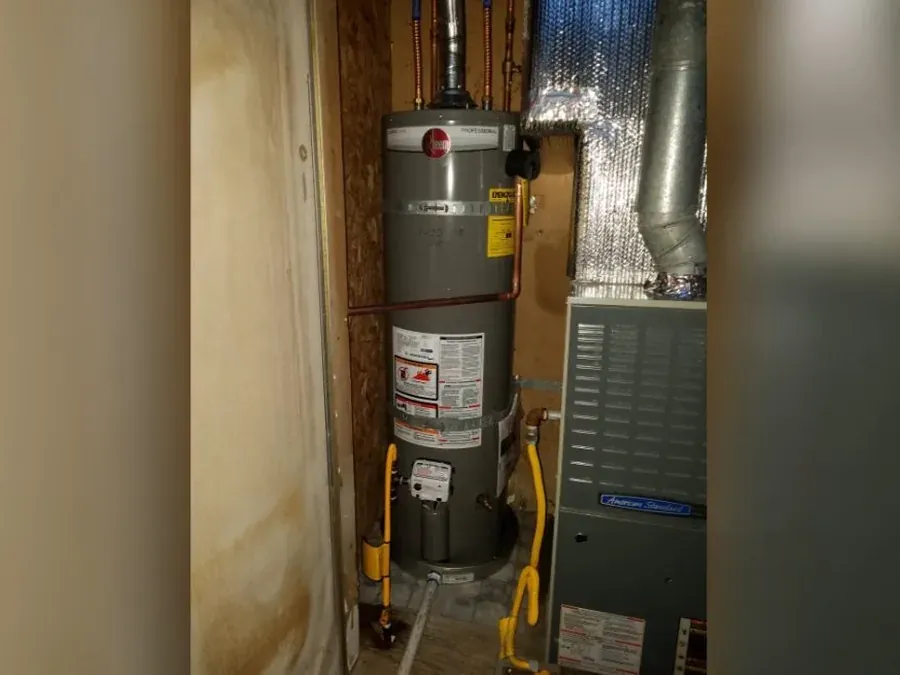
When an existing heater leaks from the tank, the choice is made for you: it has to be replaced, and the sooner the water supply is shut off the less floor and drywall you lose. Replacing like for like, in the same fuel and about the same size, is the quickest route, since the gas line, venting or electrical circuit is already in place.
Ahead of the appointment, locate the cold water shutoff above the heater and the gas valve or breaker, and clear a path to the unit. Tell the plumber the make, the tank size printed on the label and where the old heater vents. If the unit has been leaking for a while, check the floor and nearby walls for damp, because the flood and moisture cleanup page covers what to do when water has spread.
Installing a heater in a new location or a new fuel
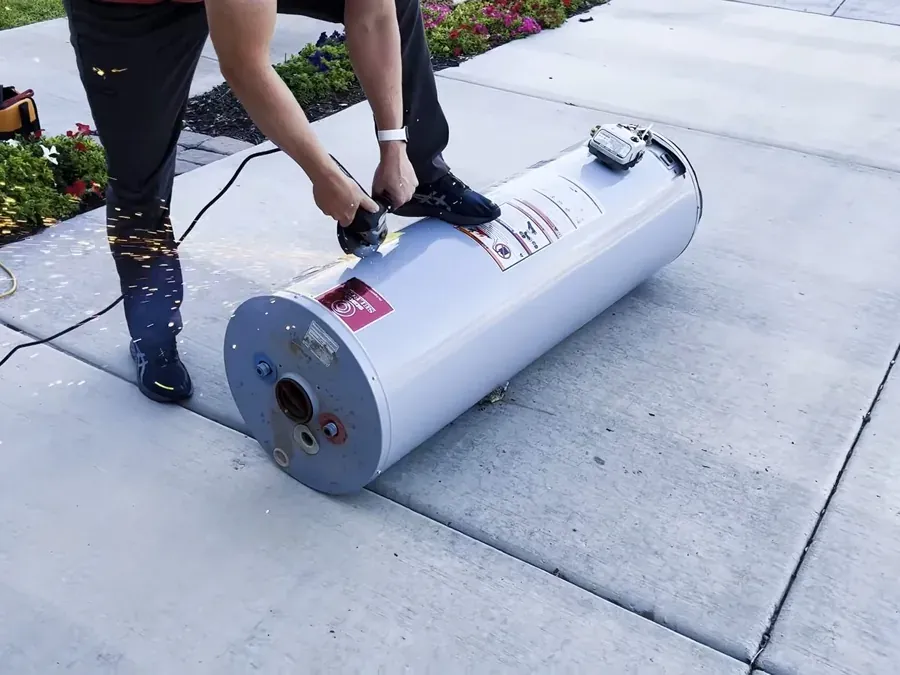
A first-time installation, a move from the basement to a closet or a switch from electric to gas is more than a swap. New gas piping, a new vent route, a drain pan and drain line, or a new circuit may all be needed, and each has its own rules. Planning the route before ordering saves time, and the plumber can tell you what the new location requires before any work is priced.
- Choose the location, keeping clearance for service and for the vent or flue.
- Confirm the fuel supply, whether that is a gas line of the right size, or a dedicated electric circuit for the heater.
- Decide on a drain pan with a line to a floor drain or outside, especially where leaks would damage finished space.
- Plan the vent, which for gas units means a flue or direct-vent pipe through a wall or the roof.
- Have the plumber confirm whether the township expects a permit for the change.
Where the job needs gas pipe work, the gas piping installation page explains how new runs are sized and tested.
Heater down and a decision to make?
Call dispatch with the tank size on the label, the fuel and where the unit sits. The plumber can talk through a same-day replacement or a planned installation.
Expansion tank, permit and code questions
Chapter 209 of the Cheltenham Township Code applies to plumbing and drainage work on any building in the township, and its definition includes the replacement or relocation of water supply piping. The same chapter accepts master and journeyman licenses granted through the regional testing center in eastern Montgomery County, or by a board the township has approved. A heater swap that changes piping falls in that category, so it is worth asking the plumber which permits apply and who files them.
What the township code says
The plumbing chapter covers all plumbing and drainage work for buildings in the township, and the definition names repair, replacement or relocation of water supply piping. Licensing sections accept the regional testing center and other approved boards.
Source: Cheltenham Plumbing Code, Chapter 209 and licensing sections, read November 2026.
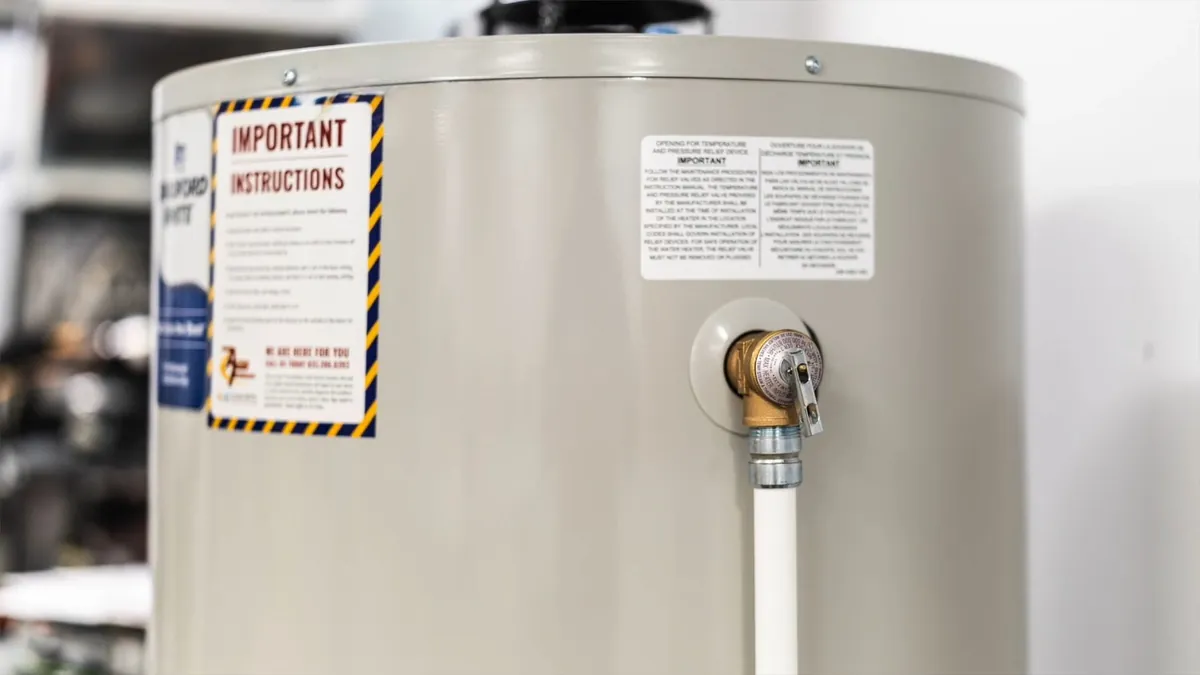
An expansion tank belongs on the cold supply of a closed system, which is common where the water meter has a check valve or a backflow device. It gives heated water somewhere to go. Without one, pressure can climb until the relief valve opens, and repeated pressure cycles shorten the life of the tank and fixtures. A new heater is the best time to add or replace it.
Fuel, size and type: gas, electric, hybrid and heat pump
Gas heaters heat water faster and cost less to run where gas service exists, and PECO has filed main replacement work in the township (see the Public Utility Commission notice). Electric heaters need no flue and are simpler to install, but recover more slowly. Hybrid or heat pump heaters pull heat from surrounding air, use far less electricity and need room and airflow, plus a place to drain the condensate.
| Type | Where it fits | Trade-off |
|---|---|---|
| Gas tank | Homes with gas service and a working flue | Needs venting; fast recovery |
| Electric tank | Homes without gas, or closets with no vent route | Slower recovery; higher running cost |
| Hybrid or heat pump | Basements with open air and floor space | Larger and taller; condensate drain required |
| Point-of-use | A far bathroom or a single sink | Serves one location, not the house |
Size follows household demand. A family that showers together and runs a dishwasher and a washer in the morning needs a bigger tank than a couple, and the first-hour rating on the label matters more than the gallon count. Ask the plumber to size by your peak use, not by the old unit alone. If you are weighing an on-demand unit instead of a tank, the tankless heater page compares them.
Planning ahead of a failure?
Call dispatch to talk through fuel, size and vent routing before the old heater gives out.
Who does the work and what the visit includes
The plumber arrives with the new heater or the parts for the job, shuts off and drains the old unit, removes it and sets the new one on a pan with proper clearances. Connections follow: flexible or rigid supply lines, shutoff valves, a relief valve with a discharge pipe, the gas or electrical hookup and the vent. The system is then filled, purged of air, fired and tested.
When you compare an installer or a company, look for the same specifics from each rather than a headline figure. Ask for a few specifics before you agree: what is being disposed of, whether a drain pan and expansion tank are included, what the plan is if the old vent has to be changed, and what happens if a permit is required. A clear written scope is better than a number given over the phone.
Safety: never block the flue, remove a relief valve or cap its discharge pipe. If a gas heater has been replaced and you smell gas or exhaust afterward, shut the gas valve and call before using hot water.
Water heater replacement questions answered
How can I tell if my leaking water heater needs replacement?
Look at where the water originates. A leak at a pipe connection or a valve can often be repaired. Water coming from the tank body means the steel has corroded, and replacement is the only fix. If the heater is also more than about ten years old, or has rusty hot water, plan to replace it rather than patch it.
What does a water heater installation involve?
Shutting off water and fuel, draining and removing the old heater, setting the new one in place, connecting water, gas or electric and venting, installing a relief valve and discharge pipe, then filling and testing. Extras such as a new pan, an expansion tank or a new circuit add steps. Expect the plumber to check for leaks and combustion safety before leaving.
What can go wrong after a water heater replacement?
Typical issues are a dripping relief valve from high pressure, air in the lines that makes faucets sputter, a loose connection that weeps, or a pilot that goes out when the vent is wrong. A burst pipe near the heater is less common but has happened when old pipe is disturbed. Call back promptly with any drip or smell so it is checked.
Do I need a plumber for water heater installation?
In Cheltenham, Chapter 209 covers plumbing and drainage work on buildings and counts replacing or relocating water supply piping as that work. Gas and flue connections also carry safety risk. Using a plumber is the dependable route, and the plumber can tell you which permit applies and who applies for it.
Is a gas, electric, hybrid or heat pump heater right for me?
Gas fits when gas service and a vent exist. Electric fits when they do not. Hybrid or heat pump units save the most electricity but need airflow, floor space and a condensate drain. If the heater sits in a small closet, gas or standard electric is usually the practical choice. If it sits in an open basement, ask about a hybrid unit.
Choose the heater, not just the quickest one
Call dispatch and ask for fuel, size and installation scope in writing. A plumber can replace a failed unit or plan a new installation.
- Licensed and insured plumbers
- Same-day service when available
- 24/7 emergency dispatch