
24/7 Emergency Line Open
Cost guide
What Shapes the Price of a Plumbing Job Around Cheltenham
This page explains what moves a plumbing quote up or down. It lists factors, not prices, because no price range on this site has a cited source behind it.
To get a quote for your own job, call (833) 840-2034 and describe what you see.

- Licensed and insured plumbers
- Same-day service when available
- 24/7 emergency dispatch
What a plumbing quote is built from
Every quote rests on the same five things, and two jobs that look alike from the kitchen can differ on any one of them.
- Access: an open basement ceiling is quick to work in, and a finished wall or a slab floor is not.
- Scope: stopping a leak, replacing the damaged section and replacing the whole run are three different jobs.
- Parts and materials: copper, plastic and cast iron fittings are not interchangeable, and special valves can add a second trip.
- Permits and inspection: some work needs a permit and an inspection before it is closed up.
- Timing: a visit in the middle of the night is scheduled differently from a visit next week.
A plumber who explains which of those five is driving your quote is giving you what you need to compare it with another.
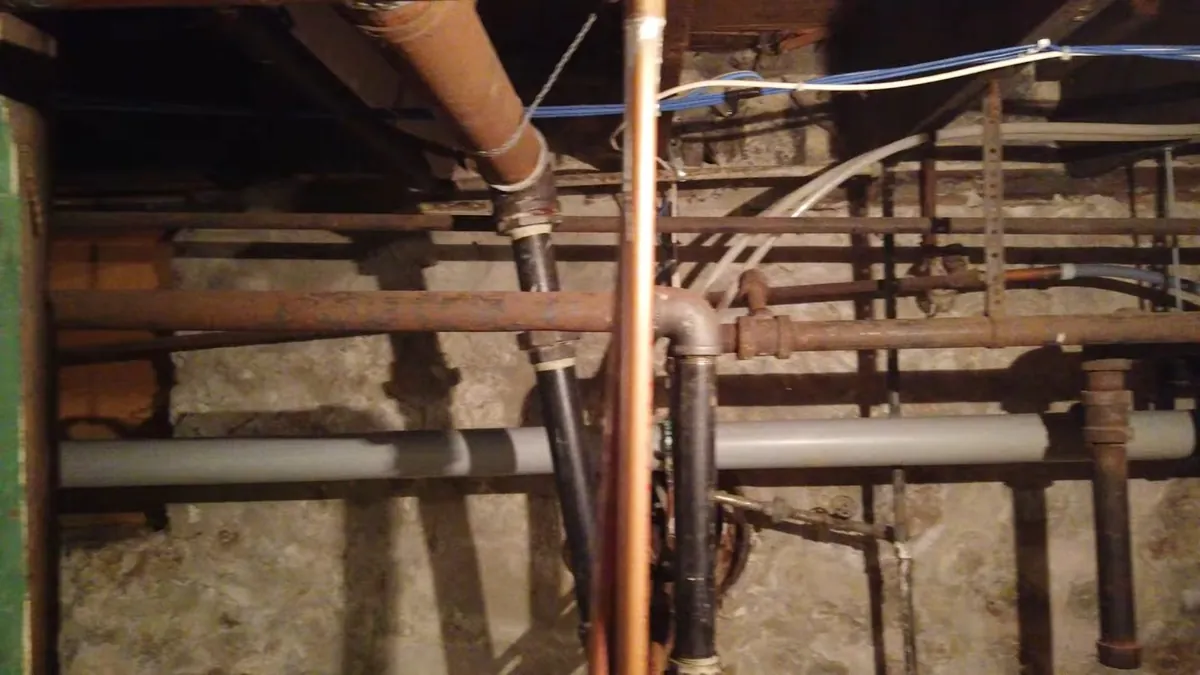
How quoting works from the first call to the written scope
The first call is about information. Dispatch asks for the street address, what you can see and hear, when it started and whether water is still running. That is enough to send a plumber, and often not enough to name a final scope.
When the cause is hidden, the plumber may need to see the problem before putting a number on it. A visit confirms what is wrong, and the plumber then explains the options and what each involves. Work starts after you agree, and not before. If the scope changes because something unexpected turns up behind a wall, the plumber stops and tells you first.
Describe your job to dispatch
Tell dispatch what you see. A plumber serving your area explains what the visit involves and what shapes the quote.
Cost factors for each service
Each service below lists the factors that change the work. The names link to the page for that service, and none of the factors carries a price or an average, because no figure here has a cited source.
Drain cleaning and clogs
- Cleanout access and where the blockage sits: a plumber who reaches the line through a cleanout works faster than one who must pull a toilet, and a stoppage in the main takes longer to clear than one in a single branch.
- Whether a camera look is needed: when the cause is unclear or a clog keeps returning, a camera inspection adds a step that confirms what is in the pipe.
- Length of the run being cleared: a short trap clearing is a small job, and a long run out to the street takes more cable, more time and more equipment.
- Roots versus grease or scale: roots need a cutting head, grease and scale call for jetting, and the tool chosen changes both the time and the equipment.
Leak detection and repair
- Size of the property and number of suspect lines: more rooms and more pipe runs to check mean a longer search before the source is known.
- Method used and whether the leak can be reached: a leak reachable without opening walls or ground is quicker to repair than one buried behind finishes.
Slab leak detection and repair
- Time to isolate the leak: a larger foundation, more floors and more lines mean more testing before the exact spot is found.
- Detection equipment used: acoustic listening, thermal imaging and tracer gas each suit different conditions, and the plumber picks the one that fits.
- Spot breakout versus rerouting the line overhead: opening the slab at one point is a different job from running a new line through walls or the ceiling.
- Restoration after the repair: flooring, drywall and finishes disturbed by the work are a separate scope and may need another trade.
Sewer line repair and replacement
- Length and diameter of the line: a longer or wider line means more material and more time underground, which is why a per-foot figure means little before the line is measured.
- Condition of the existing pipe: a crack can often be lined or patched, while a collapse points toward replacement.
- Reconnecting side branches after lining: a relined pipe is reopened at every branch, so more branches mean more steps.
Water heater repair
- Which part has failed and whether it is stocked: a common part on the truck means one visit, and a special order can mean a second.
- Age of the unit: an older tank may not be worth repairing, so the plumber weighs repair against replacement.
Water heater installation and replacement
- Tank size and fuel type: gas, power vent and electric tanks need different connections and venting, and a larger capacity means a larger unit.
- Code items: an expansion tank, a permit and venting corrections may be required, and each one adds to the scope.
Tankless water heater
- Gas supply line size and meter capacity: a tankless unit draws a lot of gas at once, so a small line or meter may need an upgrade.
- Electrical capacity and panel space: the unit needs power, and an older panel with no room may call for an electrician.
- Venting route and condensate drain: the path for exhaust and the drain for condensate decide how much pipe and how many openings the install needs.
Repiping and pipe repair
- House size, bathrooms and number of stories: a repipe of a larger house has more fixtures and longer runs, which means more pipe and more time.
- Access through a crawl space, attic or slab: open framing is quick to work in, while a slab or finished walls add steps.
- Pipe material and wall repair afterward: copper and plastic systems, including a PEX reroute, differ in parts and labor, and patching walls afterward may be a separate scope.
Water line repair and replacement
- Length and depth of the service line and the material replacing it: a longer, deeper run needs more digging and more pipe.
- Trenchless versus open trench, and surface restoration: avoiding a trench protects lawns and driveways, while an open trench means the surface must be put back.
- Who owns which section: the meter side and the house side may belong to different parties, and a utility permit may apply.
Gas line installation and repair
- Run length, pipe material and number of appliance connections: each added appliance and each extra length of pipe widens the job.
- Pressure test and inspection requirements: a new or altered gas line is tested, and any required inspection adds steps before it is used.
Faucet, toilet and fixture repair
- Parts versus whole-fixture replacement: replacing a worn cartridge or flapper is a smaller job than swapping the entire faucet or toilet.
- Shutoff valve and supply line condition: a stuck valve or a brittle supply line often needs replacing during the same visit.
Garbage disposal
- Motor size and build of the unit: a stronger motor and heavier build suit heavy use and come with a different parts list.
- Outlet, switch and discharge changes under the sink: a new unit may need a different outlet or switch, or a changed drain connection.
Water softener and filtration
- System type and capacity: a softener, a whole-house filter and reverse osmosis are different systems, and size follows household use.
- Local water hardness and the hookup at the install location: the result of a water test, plus the drain and power near the unit, shape the installation.
commercial service page
- Scope, building size and after-hours access: a repair in a small shop differs from work across an apartment building, and access outside business hours changes scheduling.
After-hours and emergency visits
- What an after-hours visit adds compared with a scheduled one: who is available and how soon can differ, and dispatch explains any difference before a visit is agreed. No figures are given here.
- Temporary stop-gap versus full repair at the same visit: sometimes the plumber stops the damage first and plans the full repair for a later visit.
Why two quotes for the same symptom can differ
Say two plumbers look at the same slow main drain. One quotes a cable clearing, and the other quotes a camera inspection plus jetting. Neither is wrong, because they are pricing different scopes.
| What differs | Quote A | Quote B |
|---|---|---|
| Scope | Clears the stoppage with a cable | Adds a camera look and jetting to find and clear the cause |
| Inclusions | Leaves out permit and cleanup | Includes the permit and the cleanup |
| Parts | A basic grade | A heavier grade with a longer service life |
| Timing | A scheduled daytime visit | An after-hours visit |
| Approach | Repair of the worn section | Replacement of the whole run |
Ask each plumber for the scope in plain words before comparing totals. A lower number that leaves out the permit or the cleanup is not a smaller job, only a shorter description.
Local items that can change a job in Cheltenham Township
Paperwork depends on the kind of work. The township plumbing ordinance, revised in 2017, defines plumbing and drainage work, and its text separates small jobs inside a structure, such as a faucet swap or a clearing of a stoppage, from the replacement of pipe. That line affects whether a job needs a permit at all.
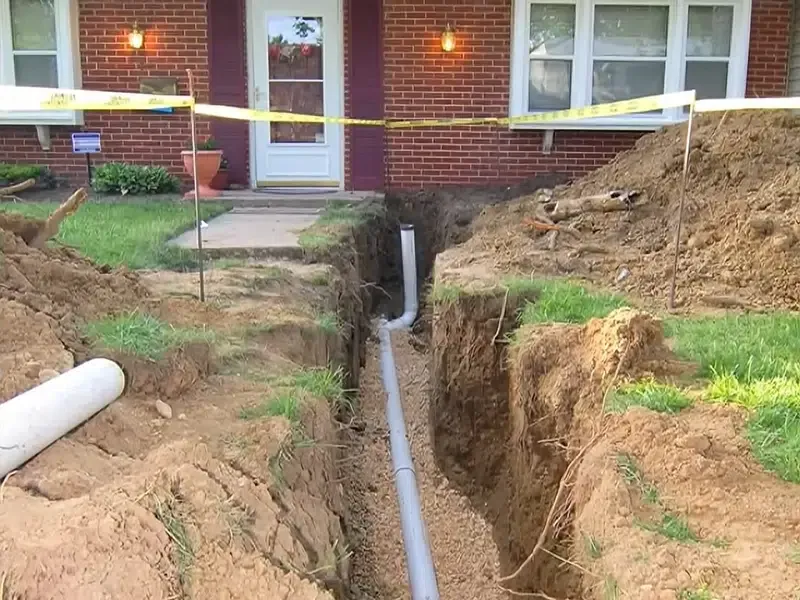
Building sewer work has its own rule, and the permit comes first. The contractor engaged for a repair or replacement of that line must pull a plumbing permit before any work begins (township code, building sewers), and the fee is set from time to time by resolution of the Board of Commissioners, so the current amount comes from the township. Pages were reviewed on 2026-11-13.
Aqua Pennsylvania serves water in the township, and it bought the wastewater system in 2019 (Unitracc report), which matters when a question about a sewer connection or a utility-owned section comes up.
Where to go from here
For the questions homeowners ask before they call, see the common questions page. To find the page that matches your problem, use the services page, and to check that your town is covered, open the coverage page.
Call to describe your plumbing job
A plumber serving your area explains the scope, the options and what shapes the quote before work begins.
- Licensed and insured plumbers
- Same-day service when available
- 24/7 emergency dispatch